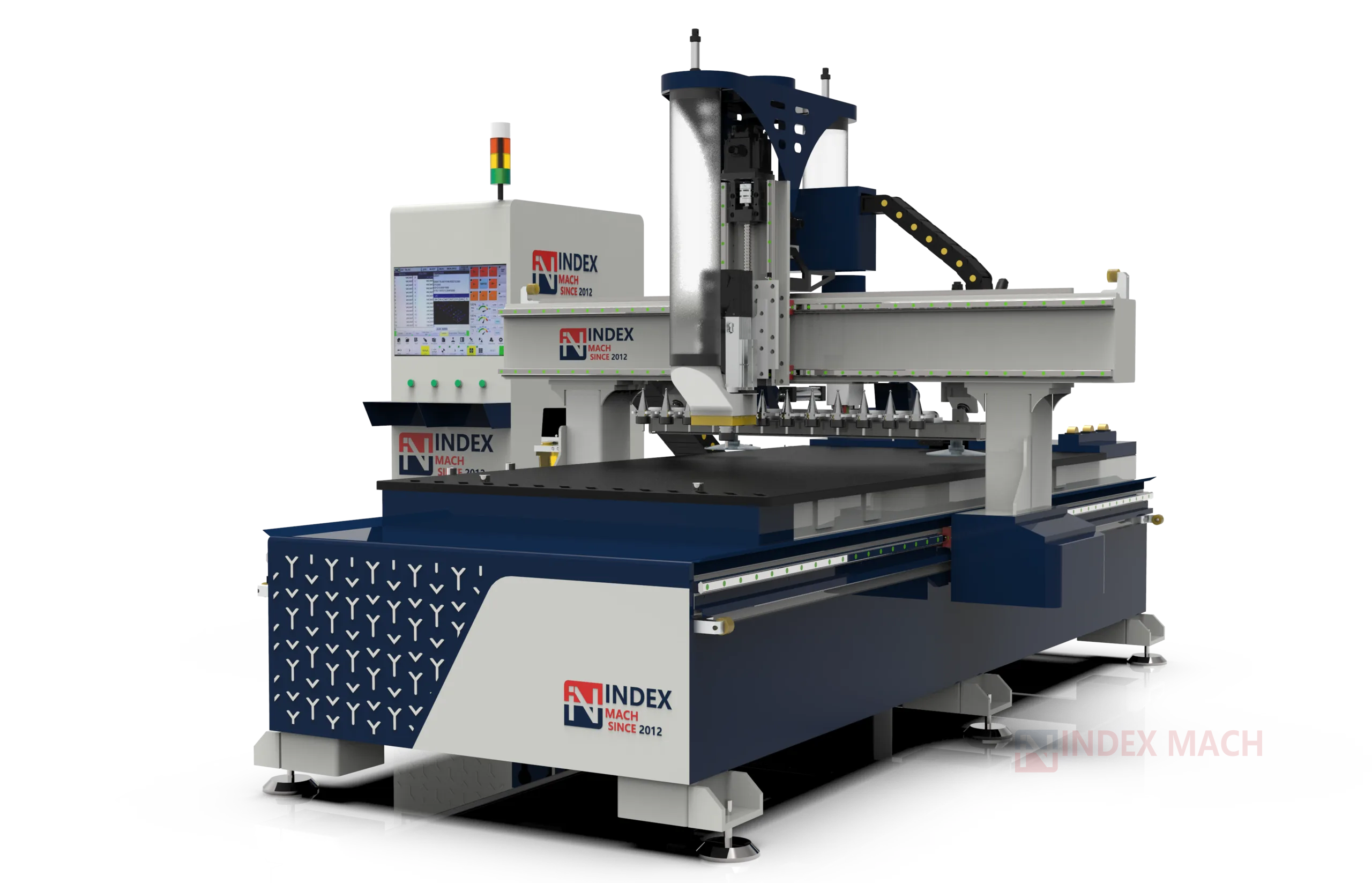
IMSM-WB
$18,900 – $30,900
- Sanding Width 1300 mm (51.2 in)
- Thickness Range 3 - 160 mm (0.118 -6.3 in)
IMSM-WB is our wide belt sander for thickness calibration and flat sanding.

Wide belt and brush sanders for calibration and fine surface finishing. $17,600 – $30,900 typical factory range.
A wood sanding machine feeds the panel under abrasive heads so thickness is calibrated and the face is ready for coating or edge banding. Wide belts work flat stock; brush heads follow profiles, grooves and textures.
Cabinet, door and solid-wood shops are the usual buyers. Calibration often follows cut-to-size or CNC; finish sanding sits before paint or foil.
Wide-belt cells are commonly specified by working width, number of heads (coarse to fine), contact-roller or pad, feed speed and dust extraction. Brush machines add oscillating or planetary brushes for shaped fronts.
Flat panels use wide belt sanding machines. Profiled fronts, mouldings and structured surfaces use brush sanding machines.
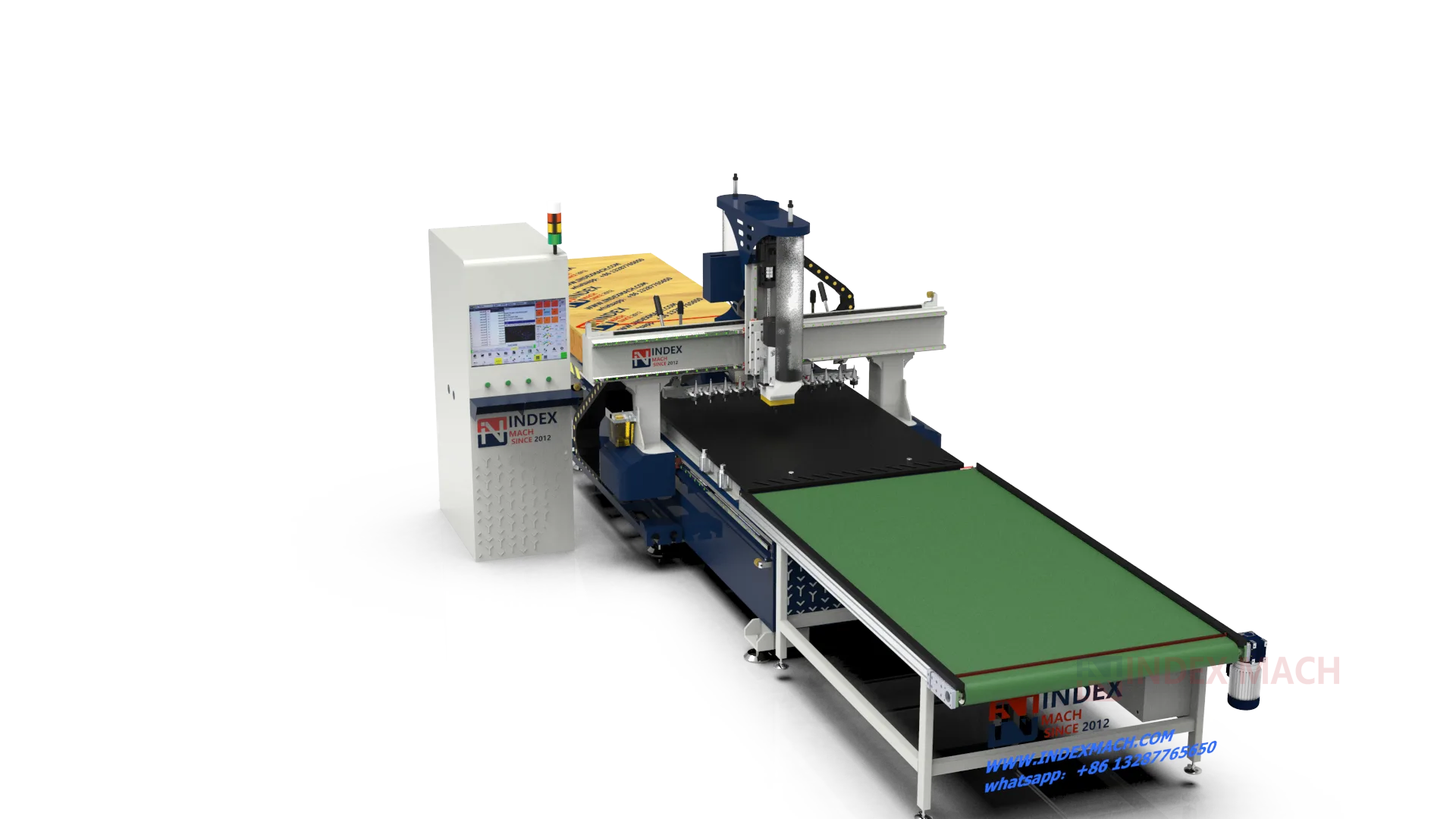
Wide-belt and brush sanders bring panels to precise thickness and a smooth, coat-ready surface. Replace this placeholder with a real machine photo when available.
A wide belt sanding machine feeds the panel under successive belts so thickness is uniform and the face is ready for coating or edging. Working width, head count and grit sequence are the usual spec.
Profiled fronts and textures use brush sanding machines.
$18,900 – $30,900
IMSM-WB is our wide belt sander for thickness calibration and flat sanding.
A brush sanding machine uses oscillating or planetary brushes so profiles, grooves and textures sand evenly. Shaped fronts and mouldings are the usual work; dust extraction is standard.
Flat calibration stays on wide belt sanding machines.
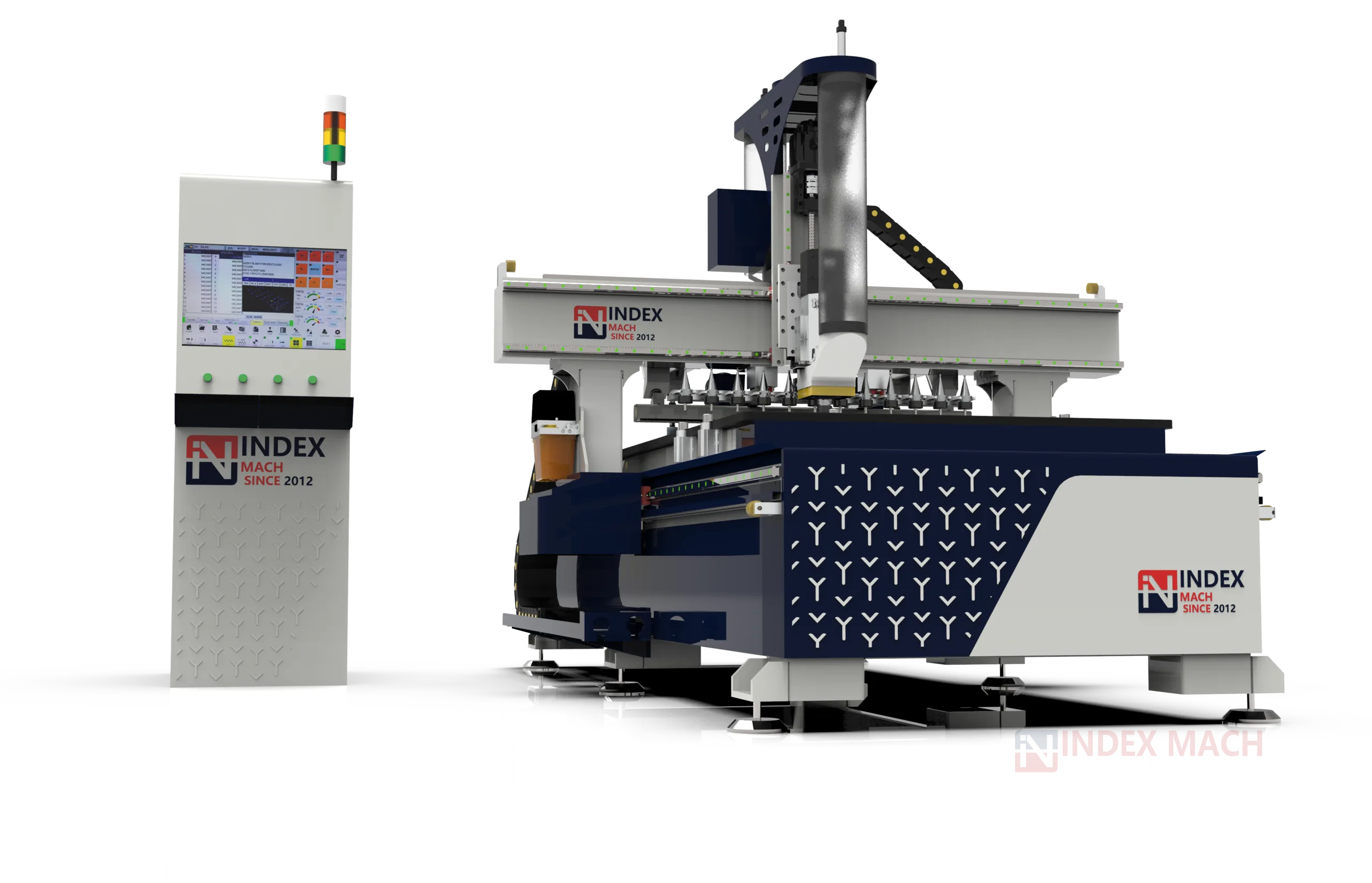
$17,600 – $29,900
IMSM-BR is our brush sander for profiled fronts and denibbing.
Product details
$17,600 – $30,900 typical factory range
Sanders calibrate thickness and leave a coat-ready face. Flat panels use a wide-belt sander; profiled fronts, mouldings and structured surfaces a brush sander. Many factories run both in sequence.
Calibration usually follows cut-to-size or CNC and comes before edge banding or coating. Veneered doors may sand after a panel press. Line context: cabinet door production lines.
Send maximum panel width, calibration vs finish grit, and flat vs profiled parts. Request a layout and quote.
| Parameter | Value |
|---|---|
| Sanding Width | 1300 mm (51.2 in) |
| Thickness Range | 3 - 160 mm (0.118 -6.3 in) |
| Belt Size | 1330 × 2620 mm (52.4 ×103.1 in) |
| Feeding Speed | 4 - 18 m/min (13 -59 ft/min) |
| Total Power | ≈ 22 kW (≈ 29.5 hp) |
| Applications | Profiled furniture / doors / Finishing lines / Panel furniture / Doors / cabinets |
| Materials | MDF / solid profiles / Primed / sealed wood / Solid wood / veneered board / veneer / solid |
Values are the unique figures from the catalog models in this family. A single machine page has that build's exact sheet.