
CNC Routers

Woodworking CNC Routers

General-purpose woodworking CNC routers for joinery, signs and mixed shop jobs — typically 1325 tables with T-slot or vacuum hold-down. $12,100 – $20,600 typical factory range.

How a woodworking CNC router handles mixed jobs

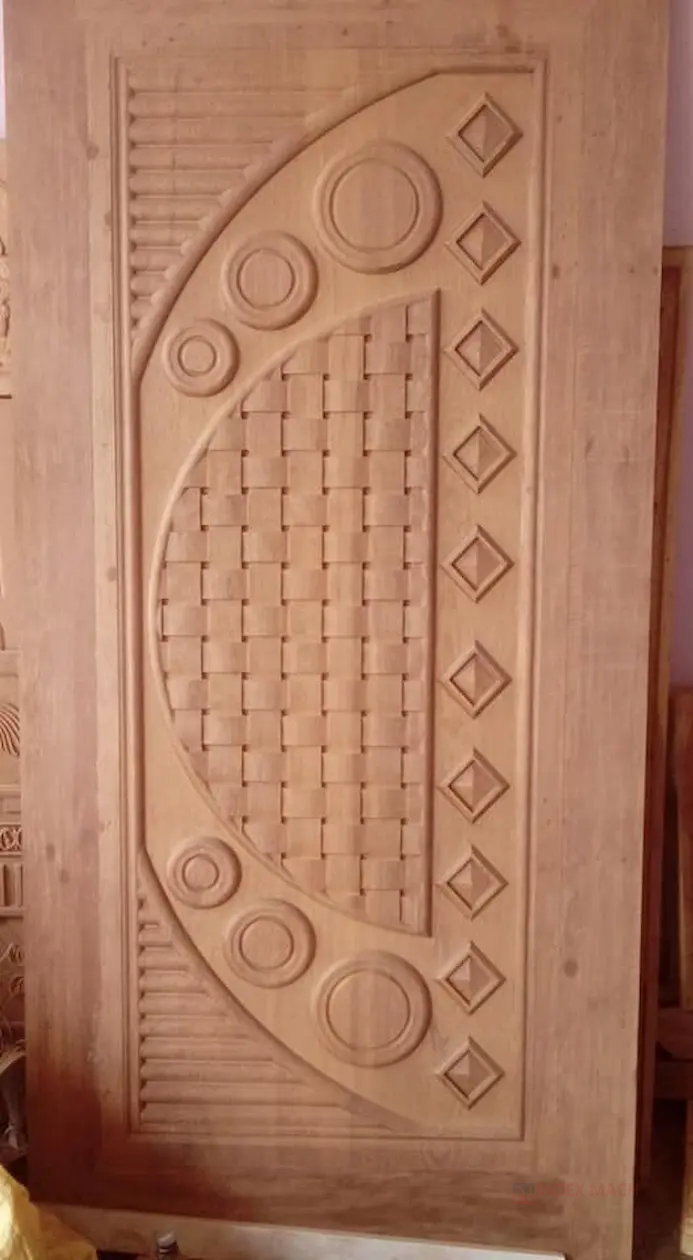
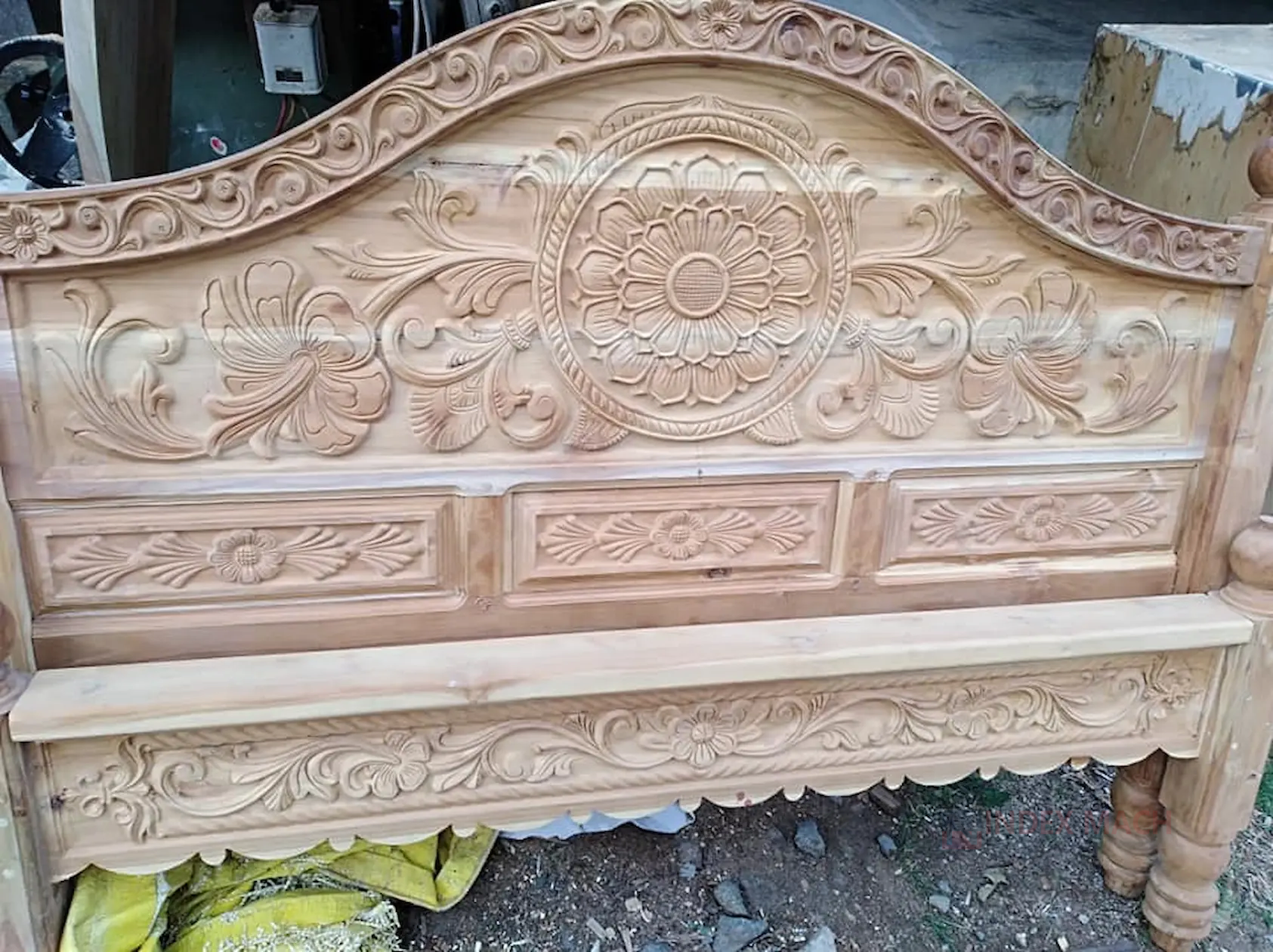
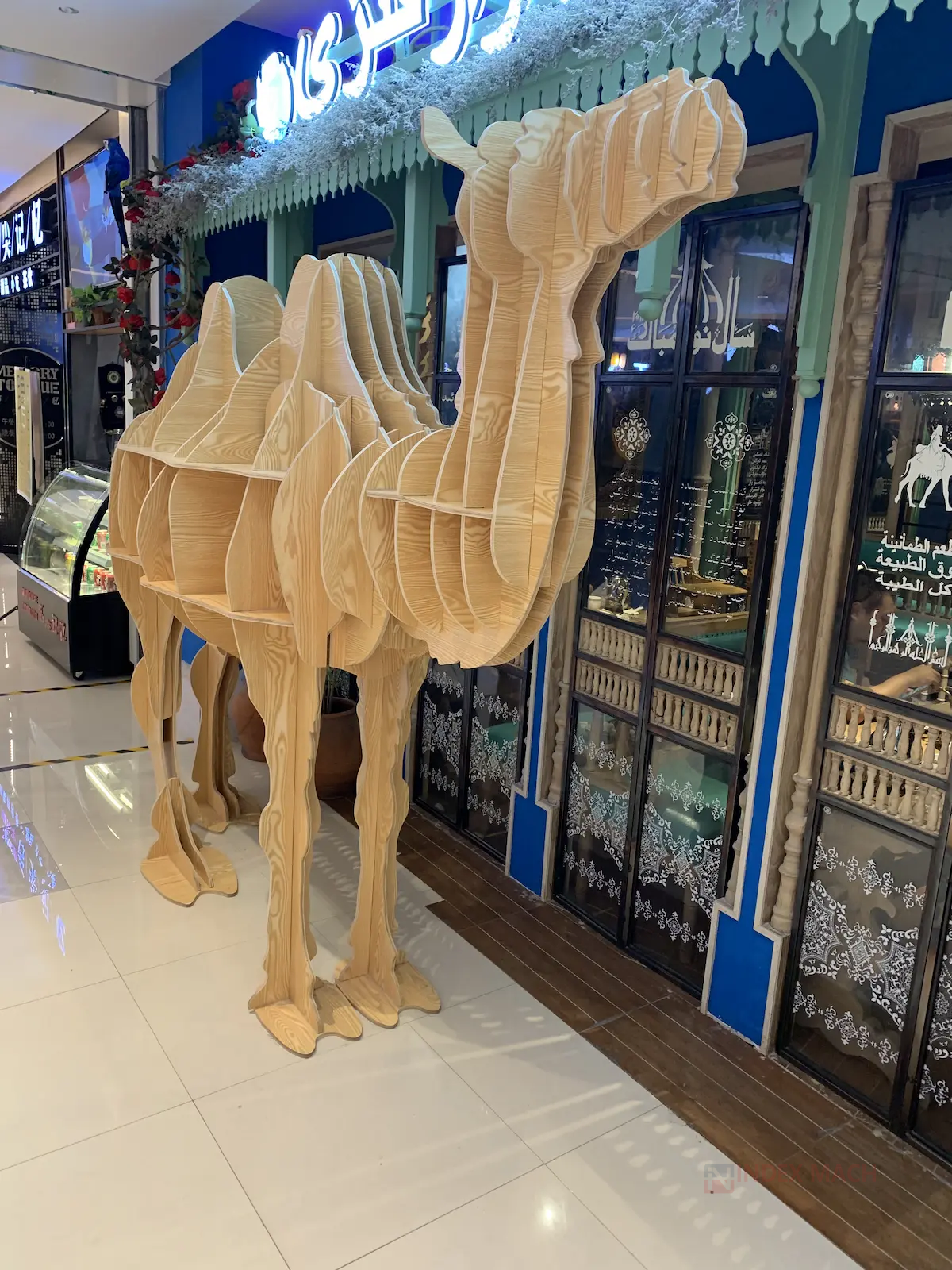
A woodworking CNC router serves as the versatile, general-purpose routing solution in your workshop: one machine cuts, engraves, drills. Joinery shops rely on it for custom millwork, furniture components, and solid-wood details; sign and display manufacturers use it for dimensional letters, acrylic fabrication, relief carvings, and exhibition structures. Available with adaptable table structures—including zoned vacuum suction, T-slot aluminum, or hybrid formats—it easily secures both full sheet goods and irregular solid-wood workpieces. that standard nesting tables struggle to hold.

Typical materials processed include solid wood, MDF, plywood, acrylic, and lightweight composites. Ideal buyers are joinery and millwork shops, sign makers, and furniture plants that balance custom orders with small-batch production. (For full-sheet kitchen and wardrobe nesting, explore our cabinet CNC routers; for stone or wet acrylic processing, refer to our stone CNC router; for complex angled or cylindrical carving, step up to our 4-axis or 5-axis CNC routers).

Standard woodworking CNC router configurations cover a full spectrum of working areas—from compact benchtop formats like 6060 (600×600 mm / 2×2 ft) and 6090 (600×900 mm / 2×3 ft) for small crafts and prototyping, mid-sized 1212 (1200×1200 mm / 4×4 ft) units for half-sheet processing, up to full-scale industrial beds including 1325 (1300×2500 mm / 4×8 ft), 1530 (1500×3000 mm / 5×10 ft), and 2040 (2000×4000 mm / 6.5×13 ft) for oversized sheet materials and mass production. Powered by industrial water- or air-cooled spindles (typically 3.2–9.0 kW), standard setups can be equipped with budget-friendly handheld controllers (RichAuto DSP A11/A18 or Weihong NK105), while high-end industrial controllers (Syntec or LNC) are provided when upgraded to an optional ATC CNC router system for seamless multi-tool processing. Bed dimensions, table configurations (Vacuum / T-Slot / Hybrid), spindle capacities, control system choices, plant voltage (220V/380V/440V, 50/60 Hz), and rotary attachments are fully customizable to match your exact shop requirements.

1 model

IMCR-WW1325

IMCR-WW1325

$12,100 – $20,600

  • Working Area 1300 × 2500 mm (4×8 ft sheet)
  • Spindle Water-cooled manual tool change · 2.2 kW (3 hp)

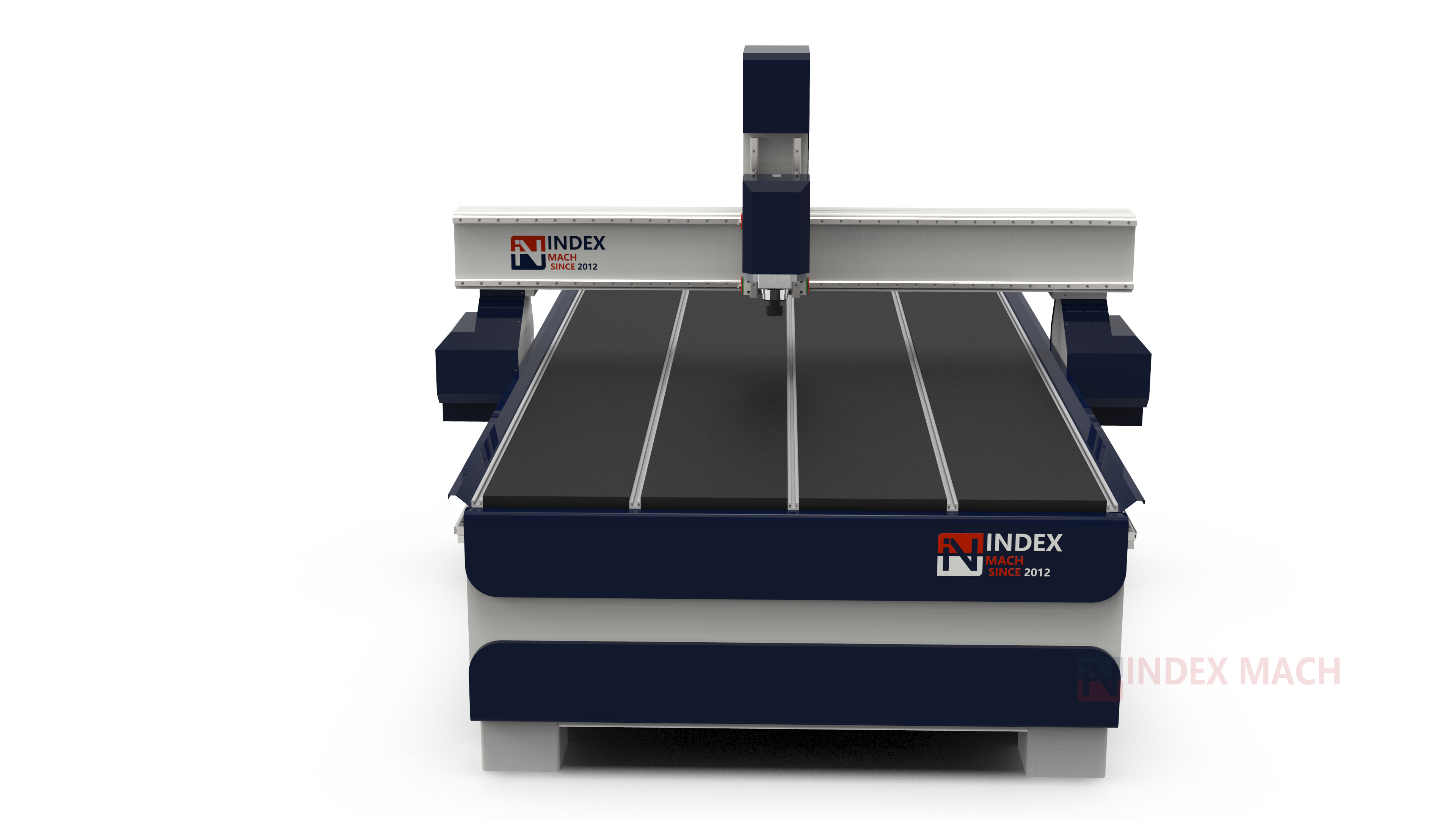
IMCR-WW1325 is a 1325 wood CNC machine for mixed joinery and signs — 1300×2500 table, not a high-volume cabinet nesting cell.

What are you looking for?

Before purchasing a CNC or woodworking machine, defining your core production goals is essential. Are you launching a new workshop or expanding an industrial factory? What materials will you process—wood, composite panels, acrylic, or metal? Is your primary focus nesting, carving, edge banding, or laser cutting? Once your application and budget are defined, selecting the right machine becomes straightforward. IndexMACH provides complete support—including machine specifications, application demos, pricing, and software documentation. You can also submit your custom requirements below for a tailored configuration.

By submitting, you agree to our Privacy Policy.

Product details

Woodworking CNC Routers

$12,100 – $20,600 typical factory range

What a woodworking CNC router does on the floor

A woodworking CNC router is the shop’s general-purpose gantry: cut, engrave, drill and profile on panels, solid wood and acrylic in the same week. Sign makers run letters and displays; joiners run millwork, furniture parts and mixed batches. That is a different job from a dedicated cabinet nesting cell.

The current 1325 machine in this series is the IMCR-WW1325.

How it sits next to other routers

Use this series when the mix is joinery and signs. Move to cabinet CNC routers for high-volume sheet furniture nesting, and to ATC CNC routers when the magazine — not the mix of jobs — decides the cycle.

Not sure if this is the right first CNC

Send typical parts (joinery, signs or both), sheet or blank size, and daily mix. Request a quote, or browse installed machines.

Woodworking CNC Routers Technical Specifications

ParameterValue
Working Area1300 × 2500 mm (4×8 ft sheet)
Max. Workpiece Height200 mm (7.9 in)
Spindle TypeWater-cooled manual tool change
Spindle Power2.2 kW (3 hp)
Spindle Speed0 - 24,000 rpm
Tool Capacity0 PC
Control SystemSyntec / DSP
Drive Motors & ServosAC servo
Vacuum ZonesZoned vacuum table
Operating Voltage380V / 3 Phase, 50/60Hz (Optional 220V/480V)
ApplicationsFurniture carving / Doors / millwork
MaterialsSolid wood / MDF

Values are the unique figures from the catalog models in this family. A single machine page has that build's exact sheet.

Woodworking CNC Routers Frequently Asked Questions

Frequently asked questions

Who is a woodworking CNC router for?

Joinery and millwork shops, sign and display makers, and plants that mix panels with solid-wood or one-off parts. It is the general-purpose CNC router when the day’s work is not a single cabinet nest.

Can sign shops and wood shops use the same machine?

Yes. Letters, acrylic, relief and exhibition pieces use the same gantry as furniture parts and millwork. Tooling and hold-down change with the job; the cell stays a general-purpose woodworking CNC router.

When should I buy a cabinet CNC router instead?

When every day is full-sheet kitchen or wardrobe nesting on a zoned vacuum table. That job sits on cabinet CNC routers. Stay here when jobs change size, material and quantity through the week.

Vacuum table or T-slot?

Vacuum suits flat panels. T-slot (or a hybrid) clamps solid wood, small signs and mixed parts that vacuum cannot seal. Tell us materials and part size and we specify hold-down.

Will it run our CAD/CAM?

Yes. Machines accept standard G-code from mainstream CAM and sign software. We match a post-processor at commissioning.

Request a Demo